

UNESCO wine regions are fewer than the brochures suggest, and most are smaller than the wine names attached to them. In the 13 countries this site covers, we found seven World Heritage listings whose own text is about vineyards and wine: Langhe-Roero and Monferrato, the Prosecco hills of Conegliano and Valdobbiadene, Champagne, the Climats of Burgundy, Saint-Emilion, the Alto Douro and Pico Island. Two more entries, the Georgian qvevri method and the bush vines of Pantelleria, are practices on the intangible list, not places.
Chianti, Napa, Rioja and Mendoza are not on the list. The list is not exhaustive either: other entries, such as coastal terraces, include vines among other things, and UNESCO lists wine areas in countries we do not cover. We read the country lists and the texts on 2026-09-30, and the lists change when the World Heritage Committee adds sites. A UNESCO listing protects a place. It does not open it.
Which wine regions are on the UNESCO list?
World Heritage sites come first in the table, then the two intangible elements. The year is the year of inscription on UNESCO's own lists. The column on what the listing covers paraphrases UNESCO's statement for each site. Table cells carry no links, so every source sits in the list under the table.
| Site | Country | Year | List, type and criteria | What the listing covers | Town named by UNESCO | Our page |
|---|---|---|---|---|---|---|
| Vineyard Landscape of Piedmont: Langhe-Roero and Monferrato | Italy | 2014 | World Heritage, cultural landscape; criteria (iii), (v) | Five winegrowing areas and a castle, with hilltop villages, castles, Romanesque churches, farms and cellars | None in the text we read | Langhe and Barolo |
| Le Colline del Prosecco di Conegliano e Valdobbiadene | Italy | 2019 | World Heritage, cultural landscape; criterion (v) | Steep hogback hills, grassy terraces called ciglioni, the bellussera vine training, small villages in the valleys | Conegliano and Valdobbiadene, in the site's name | Veneto |
| Champagne Hillsides, Houses and Cellars | France | 2015 | World Heritage, cultural landscape; criteria (iii), (iv), (vi) | Hillsides around Hautvillers and Aÿ, Saint-Nicaise Hill in Reims with its chalk quarry-cellars, Avenue de Champagne in Épernay | Reims and Épernay | Champagne |
| The Climats, terroirs of Burgundy | France | 2015 | World Heritage, cultural landscape; criteria (iii), (v) | 1,247 named vineyard parcels on the Côte de Nuits and Côte de Beaune, plus the historic core of Dijon | Beaune and Dijon | Burgundy |
| Jurisdiction of Saint-Emilion | France | 1999 | World Heritage, cultural landscape; criteria (iii), (iv) | 7,847 hectares in eight communes: vines, wine storehouses, Romanesque churches, the Monolithic Church, the Château du Roi keep | Saint-Emilion | Bordeaux |
| Alto Douro Wine Region | Portugal | 2001 | World Heritage, cultural landscape; criteria (iii), (iv), (v) | About 24,600 hectares of terraced vineyards along the Douro and its tributaries, with quintas, villages and chapels | None in the synthesis | Douro Valley |
| Landscape of the Pico Island Vineyard Culture | Portugal (Azores) | 2004 | World Heritage, cultural landscape; criteria (iii), (v) | Thousands of small stone-walled plots called currais, running inland from the coast on the north and west of the island | Criação Velha, a village; Madalena, the island's main town | None: outside our destinations |
| Ancient Georgian traditional Qvevri wine-making method | Georgia | 2013 | Intangible Cultural Heritage, Representative List | A method, not a place: wine fermented five to six months in buried egg-shaped clay vessels, practised across Georgia | None | Kakheti |
| Traditional agricultural practice of cultivating the vite ad alberello of Pantelleria | Italy | 2014 | Intangible Cultural Heritage, Representative List | A practice: bush vines grown in a dug hollow and picked by hand from the end of July; about 5,000 inhabitants own a plot | None: an island practice | Sicily |
Where each row comes from: Langhe-Roero and Monferrato, Prosecco hills, Champagne, Burgundy Climats, Saint-Emilion, Alto Douro, Pico decision and Pico description, qvevri and Pantelleria. Our pages: Langhe and Barolo, Veneto, Champagne, Burgundy, Bordeaux, Douro Valley, Kakheti and Sicily.
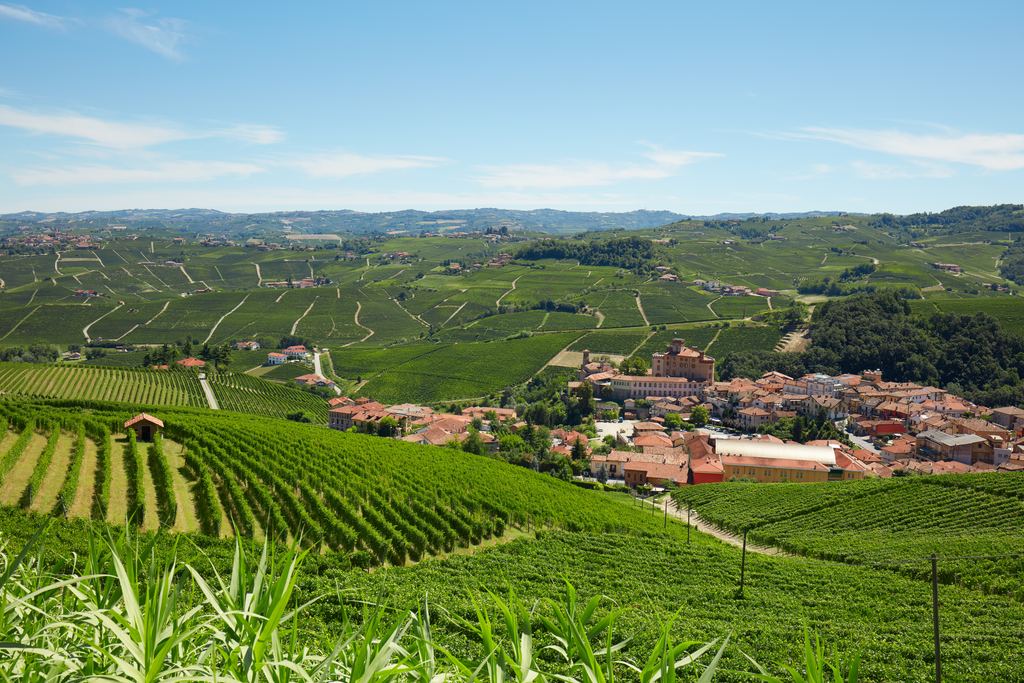
What is the difference between a UNESCO listing and a famous wine region?
A wine name is a legal zone. A UNESCO listing is a boundary drawn around what the World Heritage Committee judged outstanding. The two rarely coincide, and Champagne shows it best. UNESCO's statement says the official appellation comprises over 300 towns and villages and calls that area a "commitment zone": the setting of the property, not the property (decision 39 COM 8B.24). The listed core is smaller. The text names the hillsides around Hautvillers and Aÿ, Saint-Nicaise Hill in Reims and Avenue de Champagne in Épernay. Everything else is context.
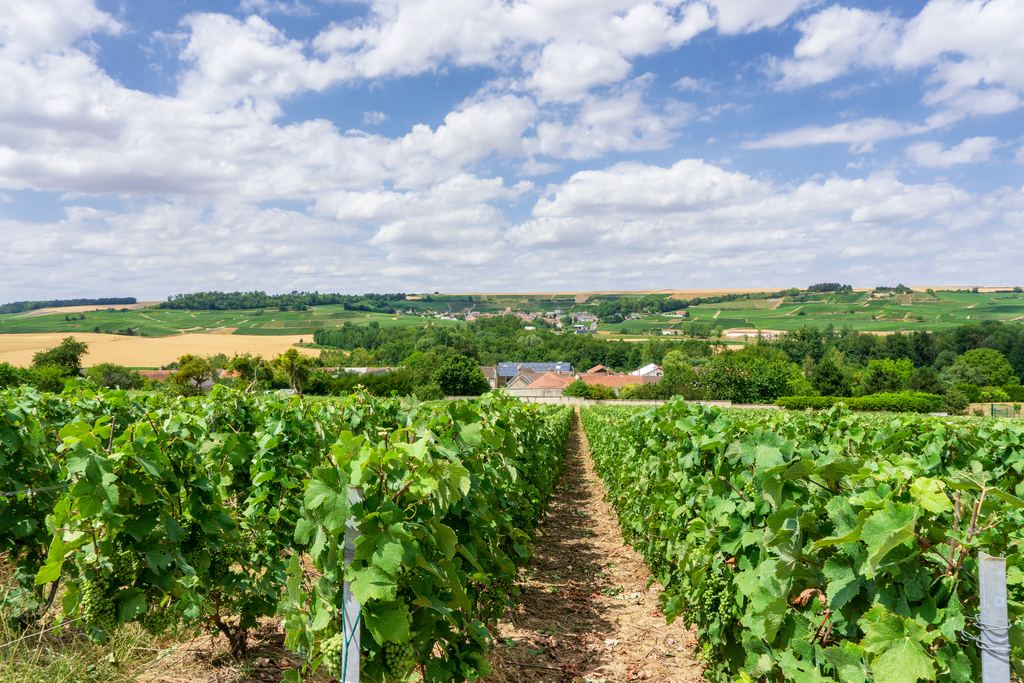
Burgundy is stranger. The Climats listing has two components. One is 1,247 named vineyard parcels on slopes that run 50 km south of Dijon. The other is the historic core of Dijon, which UNESCO includes because it represents the political and regulatory impulse behind the parcel system (decision 39 COM 8B.23). A city center, in a wine listing. A climat, in this sense, is a small, precisely delimited parcel with its own name, and not the weather.
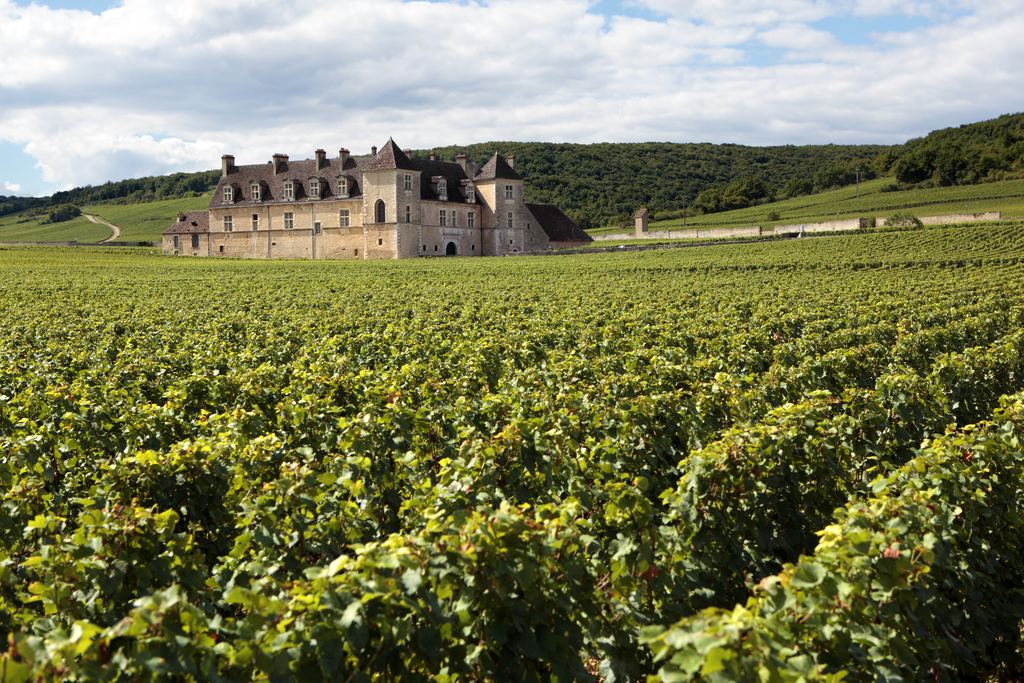
Two more cases where the name and the listing part ways. The city of Bordeaux is listed as "Bordeaux, Port of the Moon" (2007), under criteria (ii) and (iv). UNESCO's text describes an urban and architectural ensemble of the Age of Enlightenment, and mentions wine once, as part of why the city mattered as a port (UNESCO). The vineyard listing in that area is Saint-Emilion. A "UNESCO Bordeaux wine tour" is worth a question: which of the two?
Val d'Orcia in Tuscany (2004) is listed under criteria (iv) and (vi) for a landscape redrawn in Renaissance times (decision 28 COM 14B.51). The synthesis we read does not contain the word wine. It lists vines among the crops of small mixed farms, next to grain, olives, fruit and vegetables (UNESCO). A tasting there is a tasting inside a listed landscape, not at a wine listing. Mount Etna is on Italy's list too, as a natural property, inscribed in 2013 (Italy's UNESCO list). The volcano is what is listed, not its vineyards.
Which famous wine regions are not on the UNESCO list?
We read UNESCO's country pages for the 13 countries this site covers and looked for an entry about the vineyards of each wine destination. We found none for Napa and Sonoma, Mendoza, the Maipo and Casablanca valleys, the Cape Winelands, the Barossa, Hunter and Yarra valleys, Margaret River, Marlborough, Waiheke Island, Okanagan, Niagara-on-the-Lake, Santorini, Kakheti, Chianti, Rioja, Penedès and Priorat, Provence, the Rhône Valley, or Lisbon and Arrábida. A similar name can mislead: South Africa's list has the Cape Floral Region, which is a protected-areas entry, not a wine one (South Africa's UNESCO list).
Three of them sit one step earlier in the process. UNESCO describes a Tentative List as an inventory of the properties a country "intends to consider for nomination". Spain's list carries La Rioja and Rioja Alavesa Vine and Wine Cultural Landscape (submitted 2013) and Priorat-Montsant-Siurana (2014), and Italy's carries The system of the Ville-fattoria in Chianti Classico (2023). We read only those titles and years, not the files behind them (Spain, Italy). A tentative entry is a plan. It is not a status, and the Chianti entry, going by its title, is about farm villas.
Georgia is the clean case. Its World Heritage entries on UNESCO's list are Gelati Monastery, the monuments of Mtskheta, Upper Svaneti and the Colchic Rainforests and Wetlands, and none is about wine. The wine heritage sits on the intangible list as a method. That is why the qvevri explainer and the Kakheti page cannot point you to a listed vineyard, only to a practice you can see at a family cellar.
What does a UNESCO listing mean when you visit?
It means protection plans, not opening hours. Read the texts and what you find is working land. Of the Douro, UNESCO says the landscape "is still profitably farmed in traditional ways by traditional landholders" (UNESCO). In Champagne, the chalk quarries are still used in production and the cellar network is "well preserved and still perfectly operational". You do not visit "the UNESCO site". You visit villages, roads and the estates that take visitors, and the estates, towns and operators set the terms.
What protection does change is slower and mostly out of sight. For Saint-Emilion, UNESCO records a safeguarded sector created in 1986 under the Malraux Law of 1962. For Burgundy it describes a management body, the Mission Climats de Bourgogne, and a territorial charter signed by 53 local decision makers. Rules on building and planning follow from that, which is part of why the villages look as they do. It is not a promise about service, crowds or quality.
Before you pay for a "UNESCO wine tour", find the name of the listing and compare it with the stops. Stops in Reims and Épernay sit inside the Champagne listing. A cellar in a village outside those three ensembles sits in the appellation, which is a good cellar but a different thing.
How do you get to the listed wine areas?
Start from a town UNESCO names. Reims and Épernay are part of the Champagne listing, and Beaune and Dijon are part of the Burgundy one, so you can begin inside them. Saint-Emilion is a town with its own listing. For Champagne and Saint-Emilion without a car, our page on tour or rental car gives what the tourist offices say exists, and Reims or Épernay compares the two Champagne bases. The Pico listing has a village, Criação Velha, and UNESCO calls Madalena the island's main town. We have no destination page for it.
We did not open an official transport page for the Langhe, the Prosecco hills, Pico or Georgia, so we say nothing about how to reach them. If you drive, read the drink-driving page first: zero is the safest number.
Destination pages for the listed regions
One page per region, with the tours for the area.
Langhe and Barolo
Langhe-Roero and Monferrato, World Heritage since 2014.
Veneto
The Prosecco hills of Conegliano and Valdobbiadene, listed 2019.
Champagne
Champagne Hillsides, Houses and Cellars, listed 2015.
Burgundy
The Climats, listed 2015.
Bordeaux
Saint-Emilion, listed 1999, and the city of Bordeaux, listed 2007.
Douro Valley
Alto Douro Wine Region, listed 2001.
Kakheti
Qvevri winemaking, on the intangible list since 2013. The method is practised across Georgia.
Sicily
Pantelleria's bush-vine practice, on the intangible list since 2014.
UNESCO wine regions: questions readers ask
Is Chianti a UNESCO World Heritage site?
No. We found no Chianti entry on Italy's World Heritage list. Italy's Tentative List, the inventory of properties the country intends to consider for nomination, carries The system of the Ville-fattoria in Chianti Classico, submitted in 2023. That is a plan. See Chianti for the region as a wine destination.
Is all of Champagne a UNESCO site?
No. The listing covers three ensembles: the hillsides around Hautvillers and Aÿ, Saint-Nicaise Hill in Reims and Avenue de Champagne in Épernay. The appellation, which UNESCO puts at over 300 towns and villages, is the surrounding zone. Champagne has the destination page.
Is Bordeaux a UNESCO wine region?
Two separate listings touch it. The city is listed as Bordeaux, Port of the Moon, for its architecture and trade, and the vineyard listing is the Jurisdiction of Saint-Emilion, inscribed in 1999. We found no other Bordeaux vineyard entry on France's list. See Bordeaux.
Are Napa or Sonoma on the UNESCO list?
No entry on UNESCO's list for the United States is about Napa or Sonoma. Both are well-known wine areas without the listing. Napa or Sonoma compares them as places to visit.
Is qvevri wine a place you can visit on the UNESCO list?
No. It is a method on the intangible list, inscribed in 2013. UNESCO says it is practised throughout Georgia, particularly in village communities. Qvevri wine explained covers what you can see.
Sources and method
On 2026-09-30 we opened UNESCO's country pages for all 13 countries of this site, UNESCO's decision pages for Langhe-Roero and Monferrato, the Prosecco hills, Champagne, the Climats, Val d'Orcia and Pico, and the two intangible-heritage pages. UNESCO's pages for individual sites refuse automated requests. For Saint-Emilion, the Alto Douro, Bordeaux, Val d'Orcia, Prosecco and Pico's description we therefore read the Internet Archive's copies of those pages, taken from its capture nearest to 2024. If UNESCO has changed a word since, we did not see it. We did not read the countries' tentative-list files, only their titles and years, and we did not read the lists of countries we do not cover. We could not confirm a base town for the Langhe or the Alto Douro from UNESCO's text, and we confirmed no transport for four of the regions. We give no prices and no timetables.
- UNESCO, Italy: properties inscribed and Tentative List
- UNESCO, France
- UNESCO, Portugal
- UNESCO, Spain
- UNESCO, Georgia
- UNESCO, United States, South Africa, Australia, Argentina, Chile, New Zealand, Canada, Greece
- UNESCO decision 38 COM 8B.41: Langhe-Roero and Monferrato
- UNESCO decision 43 COM 8B.37: Prosecco hills
- UNESCO decision 39 COM 8B.24: Champagne
- UNESCO decision 39 COM 8B.23: Climats of Burgundy
- UNESCO decision 28 COM 14B.51: Val d'Orcia
- UNESCO decision 28 COM 14B.52: Pico Island
- UNESCO: Jurisdiction of Saint-Emilion
- UNESCO: Alto Douro Wine Region
- UNESCO: Pico Island Vineyard Culture
- UNESCO: Bordeaux, Port of the Moon
- UNESCO: Val d'Orcia
- UNESCO intangible heritage: qvevri wine-making
- UNESCO intangible heritage: vite ad alberello of Pantelleria
Data verified on. Years, criteria and descriptions checked on UNESCO pages on this date; some site pages read as archived copies. Editorial Policy
Wine Tours Editorial earns a commission when you book through links on this page. It does not change the price you pay. See our editorial policy.
Start with a listed region
Open the Burgundy page to compare tours from Dijon and Beaune, both part of the Climats listing.