
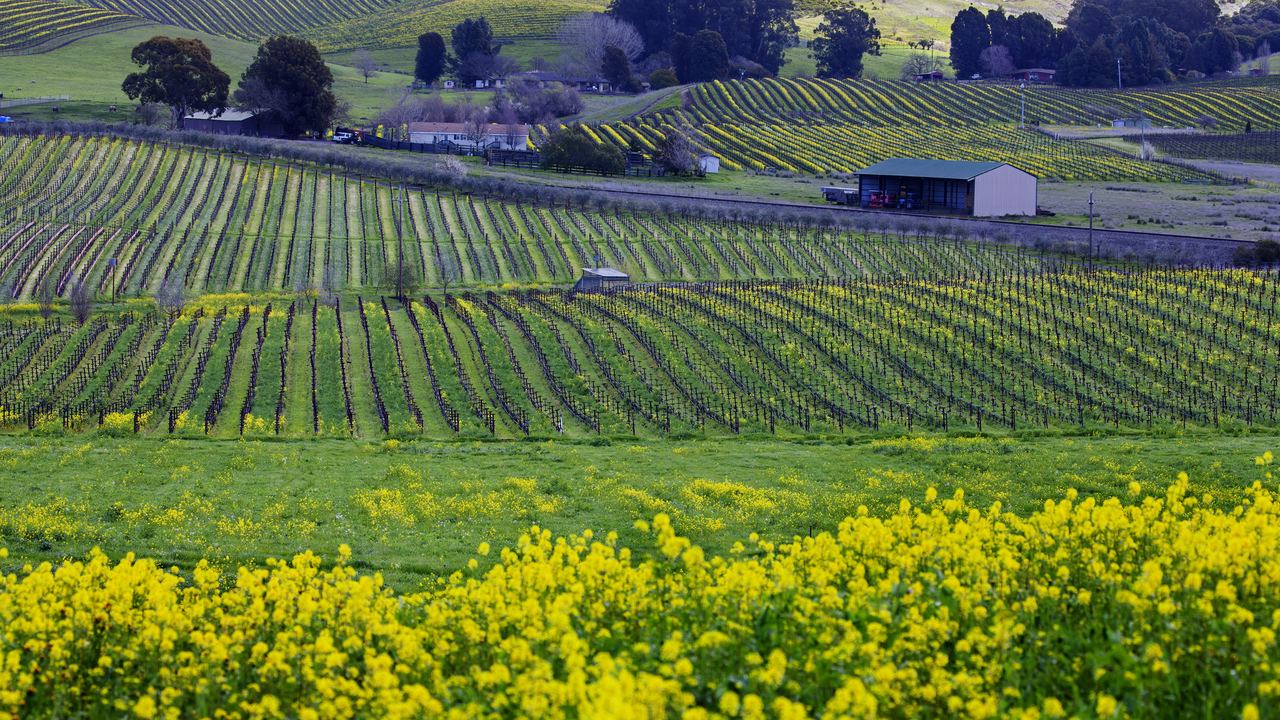
Pick one. For a single day from San Francisco, Napa or Sonoma is a real choice, and fitting both into the same day is the plan we would talk you out of. Napa is a valley about 30 miles long, and the drive from the city is shorter. Sonoma is a county with a cool coast, a warm interior and a published list of tasting rooms that take walk-ins. Which one suits you depends on the grape you want and on how much you want to plan.
Below is a table, then the reasons. Distances and drive times come from the two tourism boards, grape lists from the Napa Valley Vintners, from Sonoma's winegrowers and from its tourism office, and fire-season dates from CAL FIRE. We read every page on 2026-09-30. Where a number differs between pages or between years, we say so. The verdicts are ours.
Napa or Sonoma: how do the two compare?
The table has four columns because each row needs a name. Read the last column first: it is where the facts turn into a decision.
| Question | Napa Valley | Sonoma County | What changes for you |
|---|---|---|---|
| What is it? | A valley about 30 miles long and a few miles wide (Napa Valley Vintners) | A county with 19 AVAs, from coastline to inland valleys (Sonoma County Tourism) | In Napa you choose a town. In Sonoma you choose a corner of the county first. |
| Distance from SFO | 58 miles (Visit Napa Valley) | 75 miles, about an hour and a half by road (Sonoma County Tourism) | Napa is closer to the airport. Both figures stop at the edge of the region, not at your winery. |
| Drive from the city | Downtown Napa is 50 miles from San Francisco: about an hour on weekdays, up to two on weekends (Visit Napa Valley) | Los Carneros, the southern appellation, is described as under 40 minutes from the city (Sonoma County Winegrowers, archived copy) | Southern Sonoma can be the shorter drive. The north end is a longer day, and we found no official time for it. |
| Grapes named | Cabernet Sauvignon, Merlot, Pinot Noir, Chardonnay, Sauvignon Blanc, Zinfandel and Cabernet Franc, with no ranking (Napa Valley Vintners) | Pinot Noir best known, Chardonnay a close second, then Zinfandel, Cabernet Sauvignon and Sauvignon Blanc from named areas (Sonoma County Tourism) | Sonoma's tourism office ranks its wines and the Vintners do not. Neither tells you what a given tasting room pours. |
| Reservations | Book ahead: the board says to schedule appointments well in advance, and popular wineries fill up weeks ahead (Visit Napa Valley) | Many wineries require one; the board publishes a list of those that do not (Sonoma County Tourism) | Sonoma hands you a list to start from. In Napa you phone ahead. |
| Fire season | Listed under CAL FIRE's Sonoma-Lake-Napa unit | Listed under the same unit | Fire and smoke will not make the choice for you. |
| Harvest | Typically starts in August, reds run to October or early November (Visit Napa Valley) | Fall is harvest season, and October is when it is in full swing; no start date given (Sonoma County Tourism) | Napa's board gives an August start and Sonoma's gives no dates. The harvest page has the sources. |
Sources for the cells:
- Napa Valley Vintners: about the Napa Valley AVA
- Visit Napa Valley: getting to Napa Valley
- Visit Napa Valley: wine tasting tips
- Visit Napa Valley: fall in Napa Valley
- Sonoma County Tourism: wine
- Sonoma County Tourism: fall
- Sonoma County Tourism: how to travel to Sonoma County
- CAL FIRE: statistics and fire season declarations
Is Napa and Sonoma in one day ever a good idea?
Almost never. The arithmetic is short. Visit Napa Valley puts downtown Napa one to two hours from San Francisco, typically an hour on weekdays and up to two on weekends. Sonoma County Tourism says Napa and Sonoma sit roughly 40 minutes apart. For a Sonoma day it suggests three or four wineries at about an hour each, and it warns that ten or twelve leaves you tired, with a dulled palate and no memory of what you tasted (Sonoma County Tourism).
Here is the day those figures make, as our sketch with round numbers:
- Leave San Francisco at 8:30 and reach Napa between 9:30 and 10:30.
- Two tastings and lunch in Napa.
- Drive about 40 minutes across to Sonoma for two more tastings.
- Drive back to the city.
On the quickest version of that plan (an hour to Napa, 40 minutes across, under 40 back from southern Sonoma) you sit in the vehicle for more than two hours, and on a weekend for a good deal more. Three or four tastings is what a day holds either way, by Sonoma's own count. Staying in one valley keeps those tastings and gives the hours back.
The 40-minute drive between valleys also falls in the afternoon, after the tastings. Whoever drives it should have had nothing. If nobody in your group can say that, this is the plan where a hired driver or a tour does real work. Zero is the safest number, and our drink-driving page is where to check limits.
Booking doubles too. A 10:30 slot in Napa and a 2:00 slot in Sonoma are two promises with a traffic jam between them. Tour listings from San Francisco that name both valleys in the title exist, and in those the vehicle is where you spend the day: before you book one, count the stops and ask how long the drives are. Reading a tour listing shows which lines to question.
Our rule: with one day, pick the valley by the grape and leave the other for a second trip. The one exception is a day when you are moving between the valleys anyway, such as changing hotels. Then a single stop on the way is a tasting, and two stops each side is a rush.
Which valley for which grape?
Start with what each side says about itself. The Napa Valley Vintners name seven wines from the valley: Cabernet Sauvignon, Merlot, Pinot Noir, Chardonnay, Sauvignon Blanc, Zinfandel and Cabernet Franc. They do not rank them. They do say Napa Valley is about 4% of California's wine grape harvest and has one-sixth of Bordeaux's planted acreage (Napa Valley Vintners).
Sonoma's tourism office ranks. Pinot Noir is the best known wine, it says, made mostly in the Russian River Valley and Sonoma Coast AVAs, with Chardonnay from the same two areas a close second. It names Zinfandel from Rockpile, Cabernet Sauvignon from Sonoma Mountain and Sauvignon Blanc from Dry Creek Valley (Sonoma County Tourism). Even the count is soft: the tourism office says 19 AVAs, while the growers' association, on the copy of its site we could read, counted 18 distinct growing regions.
Why does one county taste like several?
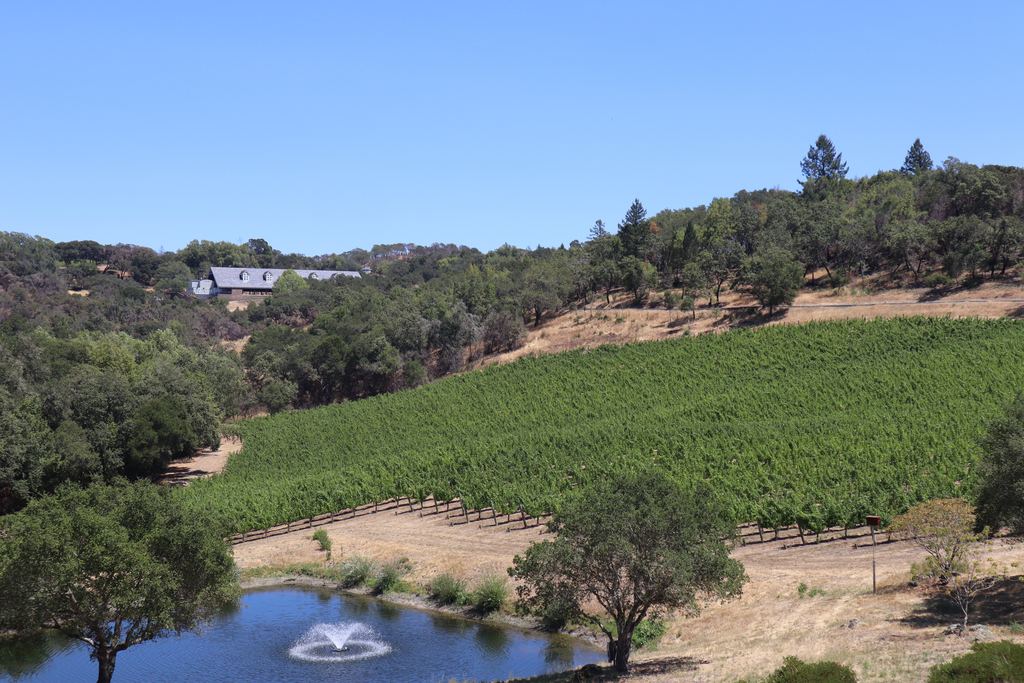
Because it has a coast. Sonoma's growers describe Russian River Valley fog that often drops the evening temperature 35 to 40 degrees from the daytime high, and say ripening there is often 15 to 20 percent longer than in neighboring areas. Sonoma Coast gets more than twice the annual rainfall of its inland neighbors, and most of its vineyards sit above the fog line. Rockpile is too high for the fog (Sonoma County Winegrowers, archived copy). The live site would not load from our connection, so read those figures as what the page said when it was archived.
Napa's answer is that one narrow valley holds many microclimates and soils, which the Vintners put down to its geology. The two claims are different kinds of variety: Napa changes as you drive up the valley, Sonoma changes as you drive toward the sea.
One appellation appears on both lists. The Vintners include Los Carneros among Napa's appellations, and Sonoma's growers describe it as a cool-climate appellation known for Chardonnay, Pinot Noir and sparkling wine. If "Carneros" is on a listing, it does not tell you which county you will be in: check the winery's address.
Our lean, and only a lean: if Pinot Noir and Chardonnay are the point, Sonoma's board is pointing you there, and Napa's list carries both without saying where to start. If Cabernet is the point, the Vintners name it first and Sonoma lists it from a named sub-area. Neither page settles the matter, so ask the tasting room what it pours before you travel for it.
How different is the tasting itself?
Sonoma County Tourism describes the contrast like this. Napa is "fancy, famous, and carefully curated", with high tasting fees and wineries densely concentrated along Highway 29 and the Silverado Trail. Sonoma offers more space, a wider array of wines and a slower mood (Sonoma County Tourism). The layout part is checkable. The mood part is not, and it comes from the county that benefits from the comparison. We would take it as a pitch.
On reservations, both boards tell you to plan ahead, and each adds something new. Sonoma explains why: a winery may limit how many guests its staff serve at once (Sonoma County Tourism). Napa names the worst weeks: September and October are the busiest time of year, and it says to reserve in advance then (Visit Napa Valley). The walk-in list and the full wording are on do you need to book, so we do not repeat them here.
On pace, Sonoma's ceiling of three or four wineries a day applies in Napa too, in our view. The count matters less than what a long day does to the last tasting. A day of tasting goes through the hours.
Our view: with no bookings made, Sonoma's published list is the easier place to start. With named cellars already booked, the valley matters less than the order of the appointments.
How far is each one, and how do you get around?
Napa Valley is 58 miles from San Francisco International Airport. Downtown Napa is 50 miles from the city, and Visit Napa Valley says to allow one to two hours depending on the day of the week and the traffic (Visit Napa Valley). Sonoma County is 75 miles and about an hour and a half from the same airport. Its tourism board says driving is usually easiest, because county buses run countywide but do not typically go to wineries, and it calls the county "extremely diverse and fairly spread out" (Sonoma County Tourism).
That last phrase is the practical difference. A valley about 30 miles long can be covered by choosing a town. A county has to be covered by choosing a corner. The Sonoma Valley AVA is centered on the town of Sonoma, with Glen Ellen and Kenwood, at the south end of the county. Healdsburg is at the north end, and Dry Creek Valley, which the growers measure at about 16 miles by 2, is another corner. We found no official drive time from San Francisco to Healdsburg, so for a day trip we would stay in the southern half unless you want to spend the day getting there.
What exists without a car in each place, from the Napa ferry and bus link to the limits on both, is on tour or rental car. Choosing the format of the day is on how to choose a wine tour.
When do fire and smoke matter for a Napa or Sonoma day?
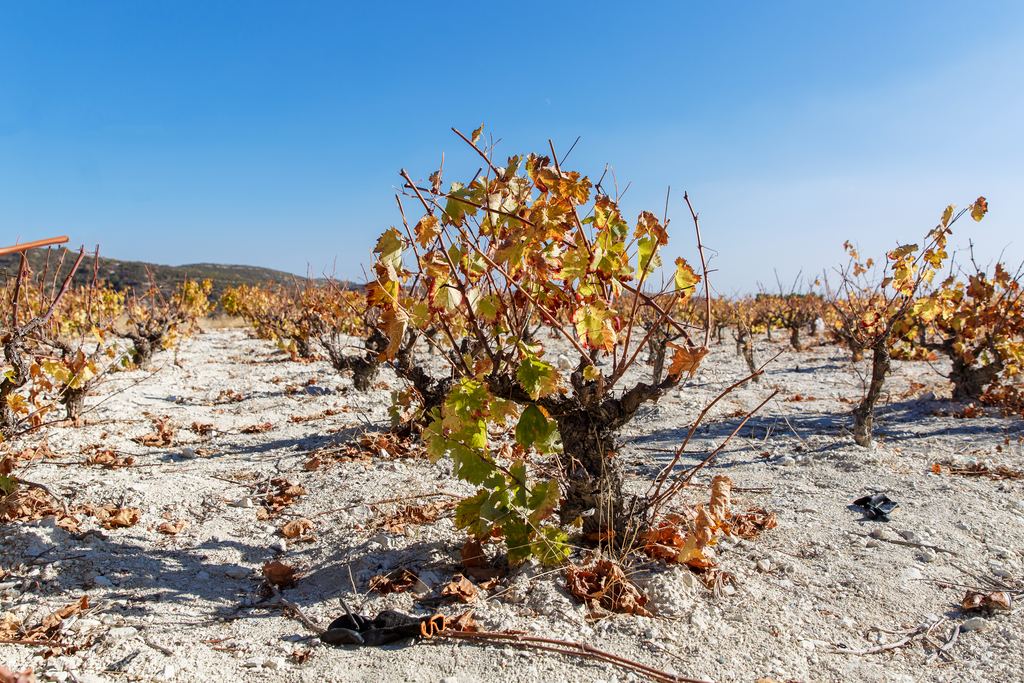
They are a fact of the calendar in both valleys, and the same one. CAL FIRE lists Sonoma and Napa, with Lake County, under a single unit name, Sonoma-Lake-Napa. Its statistics page gives each unit a summer preparedness date and a winter preparedness date under the heading Fire Season Declarations. For this unit the summer date fell on June 26 in 2023, June 17 in 2024 and June 23 in 2025, and the winter date on November 27 in 2023 and November 22 in 2024. The page does not define the terms. We read them as the start and the end of the declared season, so the dates sit around harvest (CAL FIRE, archived copy of the page as it stood at the end of 2025).
The same agency's map carries layers for Red Flag Warnings and for a smoke and haze forecast. It defines a Red Flag Warning as an alert from the National Weather Service for warm temperatures, very low humidity and stronger winds that can combine to raise fire danger (CAL FIRE). We describe the pattern and no season in particular: a fire season that overlaps the fall, and a map you can open on the morning you leave.
Smoke does not choose between the valleys, because both sit in one unit. We found no official rule on whether tasting rooms close for smoke, so that is a question for each winery or operator. Before you book for September or October, read the cancellation terms, and prefer the ones you can change.
Does harvest change the choice?
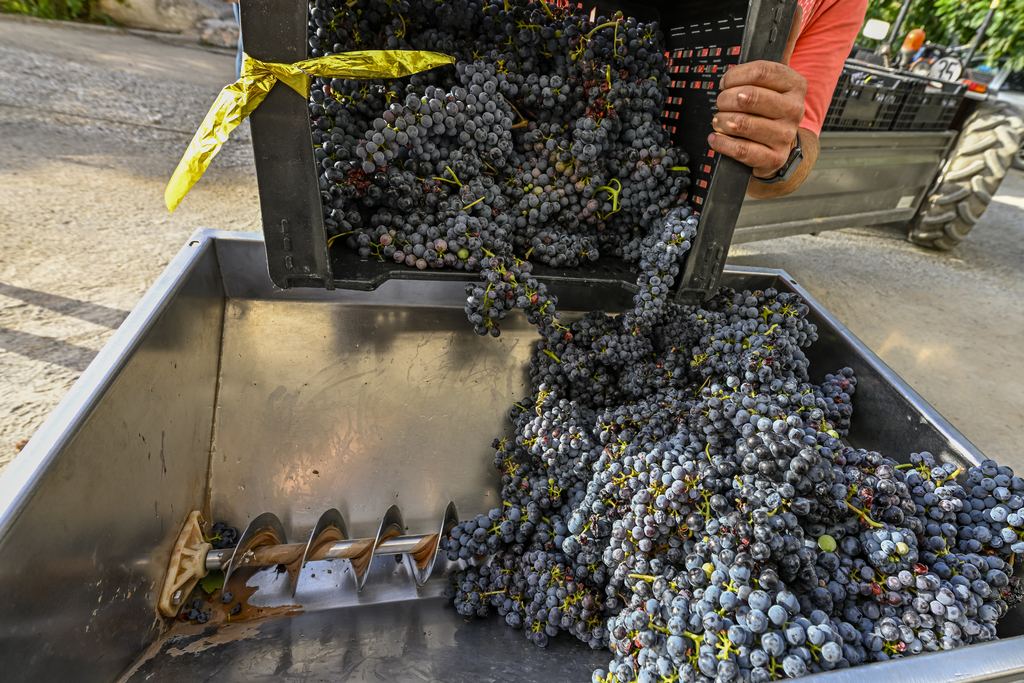
Not the dates. Napa's board says harvest typically starts in August, and Sonoma's tourism board calls fall its harvest season, so the two overlap and the exact window varies by year: the harvest season page has the sources and the months for each. What changes is the booking pressure. Napa's own board says September and October are its busiest time, and it is the season when we would book earliest for either valley.
So which one should you pick?
If you have one day
Choose Napa if you want the shortest drive, a valley you can cover by town, or you have already booked named cellars. Choose southern Sonoma, meaning the Sonoma Valley or Carneros, if Pinot Noir and Chardonnay are what you came for, or if you have booked nothing and want somewhere to start. Leave the north of Sonoma for a trip where the drive is part of the plan.
If you have three days
Give Napa a day and Sonoma a day, and keep the third for a corner you skipped or for no tastings at all. Two valleys over three days is a comparison. Two valleys in one day is a blur with a long drive in the middle.
More on the two valleys, the tours sold from San Francisco and the rest of the country is on the Napa and Sonoma page and the United States page. If you are still deciding between regions, Choose your wine region starts from the city you fly into.
Napa or Sonoma: questions readers ask
Is Napa or Sonoma better for a first visit?
Neither wins outright. Napa is the shorter drive and a valley about 30 miles long, according to the Napa Valley Vintners. Sonoma is a county with a coast, and its tourism board publishes a list of wineries that take walk-ins. With one day and no bookings we would start in southern Sonoma. With named cellars already booked, we would pick Napa.
Can you do Napa and Sonoma in one day?
You can, because Sonoma County Tourism puts them roughly 40 minutes apart. We would not. Add the drive out from San Francisco, the drive back and the driver who must stay sober for both, and the day still holds only the three or four tastings Sonoma's board suggests for one valley. Drink-driving limits are on their own page.
Which is closer to San Francisco, Napa or Sonoma?
By the boards' own figures, Napa Valley is 58 miles from the airport and Sonoma County 75. Downtown Napa is 50 miles from the city, one to two hours by road. Southern Sonoma can be quicker than that, since the growers describe Los Carneros as under 40 minutes away. The north of the county is farther.
Which has better Pinot Noir?
No official source ranks quality, and we will not either. Sonoma's tourism board calls Pinot Noir its best known wine, from the Russian River Valley and Sonoma Coast. The Napa Valley Vintners list Pinot Noir among seven wines without a ranking.
Does wildfire smoke close wineries in Napa or Sonoma?
That is for each winery or operator to decide, and we have no official source that sets a rule. CAL FIRE's map carries a smoke and haze layer and Red Flag Warnings. Check it the morning you travel and read the cancellation terms when you book.
Do you need a car in Napa or Sonoma?
Sonoma County Tourism says driving is usually easiest, because county buses do not typically go to wineries. Napa has a fixed-route bus and a ferry link from San Francisco. Tour or rental car covers what exists and where it stops.
Sources and method
We opened each page below on 2026-09-30. Napa Valley Vintners, the Visit Napa Valley pages and the Sonoma County Tourism pages were read as live pages. The Sonoma County Winegrowers site would not load from our connection, so its figures come from an archived copy of the home page that, going by its news items, dates from the end of 2021. The CAL FIRE dates come from archived copies of its statistics page, taken at the end of 2025, and of its home page. The verdicts, the sketch of the one-day plan and the "our lean" lines are our judgment. We give no prices, no tour operators and no timetables.
- Napa Valley Vintners: about the Napa Valley AVA
- Visit Napa Valley: getting to Napa Valley
- Visit Napa Valley: wine tasting tips
- Visit Napa Valley: fall in Napa Valley
- Sonoma County Tourism: wine
- Sonoma County Tourism: fall
- Sonoma County Tourism: walk-ins and reservations
- Sonoma County Tourism: how to travel to Sonoma County
- Sonoma County Winegrowers (archived copy)
- CAL FIRE: statistics and fire season declarations
- CAL FIRE: incident map
Data verified on. Facts checked against the linked pages on this date; Sonoma growers and CAL FIRE figures from archived copies. Verdicts are our judgment. Editorial Policy
Wine Tours Editorial earns a commission when you book through links on this page. It does not change the price you pay. See our editorial policy.
Pick your valley, then the format
Compare Napa and Sonoma tours from San Francisco by group size and what each listing includes.